Why Every SMB Needs a Risk Register

Known risks become dangerous when they become normal.
One thing we’ve learned over the years is that most businesses don't have a risk problem - they have a visibility problem.
When we sit down with organisations and start talking about risk, it doesn't usually take long before the same themes start appearing.
There's often:
- A critical system that only one person really understands.
- A supplier relationship that hasn't been reviewed in years.
- Data stored in more places than anyone expected.
- A disaster recovery plan that exists, but nobody is completely sure whether it would actually work.
The interesting thing is that none of these are usually surprises.
People know about them.
They've often known about them for years.
The problem is that they've become normal.
The Risks We Stop Seeing
One of the biggest misconceptions about risk management is that it's about finding threats nobody knows about. In our experience, that's rarely the case.
Most of the risks that end up causing problems have already been identified at some point. They've been mentioned in meetings, raised in conversations or highlighted in previous reviews.
Then:
- Life gets busy.
- Projects take priority.
- Budgets get redirected.
- Other things feel more urgent.
Eventually, people stop seeing the risk because they've become used to it.
Why Write It Down?
This is where a risk register comes in.
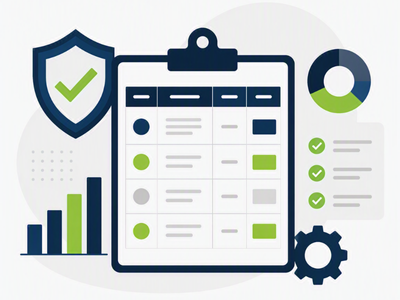
At its simplest, a risk register is just a way of making sure important risks don't disappear into meeting notes and good intentions.
It gives organisations a clear view of:
- What could go wrong
- How serious the impact could be
- What is being done about it
- Who is responsible for managing it
That visibility makes decision-making much easier.
Instead of reacting to problems when they happen, leadership teams can make conscious decisions about which risks they are willing to accept, and which need addressing.
Why This Matters For SMBs
Ironically, smaller businesses often need this visibility the most.
Large organisations usually have layers of resilience built in. They have bigger teams, more resources and greater flexibility when things go wrong.
SMBs are different:
- If a key employee leaves, there's often a bigger impact.
- If a critical supplier fails, there may not be an immediate alternative.
- If systems go down, there are usually fewer people available to deal with the fallout.
That's why having a clear understanding of your risks is so important.
Final Thoughts
We've lost count of the number of times We've found organisations living with risks that everybody knew about, but nobody was actively managing.
Not because people didn't care.
Simply because the risk had become part of everyday business.
In our experience, most major incidents don't happen because of unknown risks.
They happen because of known risks that became normal.
A good risk register won't remove every risk from your organisation.
What it will do is make sure the important ones stay visible long enough for somebody to do something about them.
Before investing in new tools, systems or security measures, take a step back and ask:
“What risks have we normalised without even realising it?”
In our experience, that's often where the biggest improvements can be made.
If you'd like help identifying, assessing and managing those risks, get in touch with the Fuse team to discuss how we can help.
About the author

Service Delivery Manager
Dan oversees the Managed Services team, and works closely with our customers to ensure that everything is running smoothly. Dan has over 15 years of IT support and consulting experience and having been on both sides of the Service Desk, has a great understanding of what our customers need.